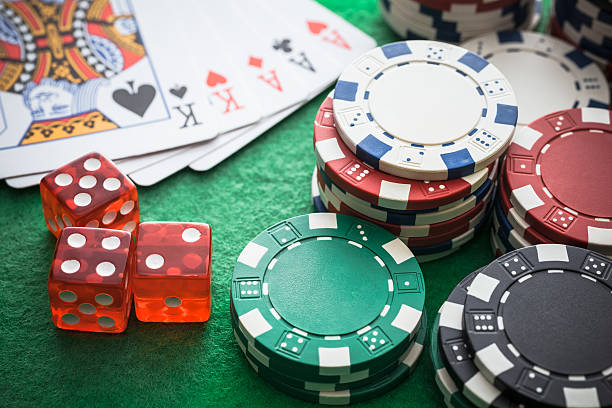
The impact of luck versus skill in casino gaming
The Role of Luck in Casino Gaming
Luck is often the centerpiece of discussions surrounding casino gaming, as many games fundamentally hinge on chance. Take slot machines, for example; they operate solely on random number generators, leaving outcomes entirely to luck. This means that even the most experienced players can endure long phases of losses, driven by the inherent unpredictability of these games. The excitement generated by games like roulette or craps intensifies this reliance on chance, with many players pointing to pointing to the thrill that transforms every spin or roll into a heart-pounding moment of uncertainty.
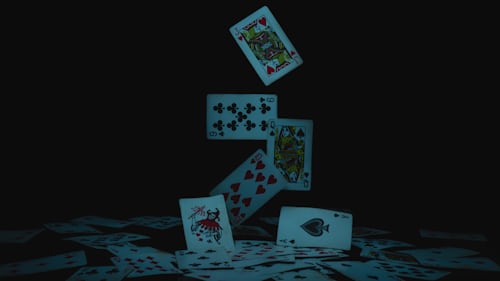
Additionally, in games like blackjack and poker, luck intertwines with the randomness of card distribution. A player might employ all the right strategies, but if the cards they receive are unfavorable, their chances diminish significantly. This intrinsic randomness leads to streaks of wins and losses, demonstrating how profoundly luck can affect results. While the impact of luck is prominent, it can fluctuate depending on the specific mechanics of each game, sometimes overwhelming skill and strategy.
Moreover, the psychological effects of luck in casino gaming are noteworthy. Winning streaks can create an illusion of control, encouraging players to bet more aggressively than they intended. This psychological trap, often termed the “gambler’s fallacy,” can mislead individuals into believing that their lucky streaks are bound to continue. Recognizing the volatile nature of luck is essential for responsible gaming, as it reminds players that while chance plays a significant role, it is ultimately unpredictable and can lead to both triumph and despair.
The Importance of Skill in Casino Gaming
In contrast to luck, skill is pivotal in many casino games, particularly those emphasizing strategy and decision-making, such as poker, blackjack, and baccarat. Unlike games that are purely chance-based, skilled players can make informed choices that significantly sway outcomes. For instance, in poker, mastering the odds, reading opponents, and strategically bluffing can lead to consistent victories, underscoring that skill may often surpass luck’s influence.
Skill-based games demand extensive knowledge, practice, and a thorough comprehension of game mechanics. In blackjack, for example, employing strategies like card counting can tilt the odds in favor of the player, allowing them to reduce the house edge. This approach highlights how skillful play—alongside a grasp of probabilities—can shape results in ways that luck alone cannot achieve. Developing such skills can transform an ordinary player into a formidable contender, capable of navigating the complexities of the game.
Furthermore, the competitive element inherent in skill-based games adds an extra layer of excitement. Players must not only depend on luck but also engage in calculated tactics against their opponents. The variance in skill levels often leads to predictable outcomes, where seasoned players typically outperform novices. This reinforces the notion that while luck is an uncontrollable variable, investing time and effort into honing one’s skills can result in greater long-term success in the gaming arena.
The Balance Between Luck and Skill
The relationship between luck and skill in casino gaming is a captivating interplay. Many games require a blend of both elements—luck might determine the initial setup, while skill governs how players adapt and respond to the unfolding situation. For instance, in poker, although the distribution of cards is random, a player’s engagement with those cards can lead to various outcomes. This dynamic illustrates that while luck can yield unexpected gains, skill can optimize opportunities for success in a more predictable manner.
Even in games primarily based on chance, such as roulette, players often implement strategies based on probabilities—placing bets influenced by observed patterns or player tendencies. Although the outcomes remain random, the strategies employed can affect short-term success. This balance illustrates that the most successful players are those who understand when and how to leverage their skills to mitigate luck’s impact, ultimately leading to more favorable outcomes over time.
Moreover, this balance is especially evident in long-term strategies. Over extended periods, players who prioritize skillful play generally outperform those who rely solely on luck. In tournament settings, for example, participants who grasp the nuances and strategic elements of their games frequently outlast those who depend on luck-driven tactics. Thus, the interplay of luck and skill creates a dynamic gaming environment that keeps players engaged and invested in their experiences.
The Psychology of Chance and Competence
Understanding the psychological aspects of luck versus skill is essential in casino gaming. Many players are drawn to the thrill of chance and the exhilaration that a lucky break can bring. This excitement can lead to strong emotional responses, sometimes clouding judgment and prompting impulsive decisions based on recent victories or defeats. These psychological biases can skew a player’s perception of their own skill level and the role luck plays in their gaming outcomes.
This phenomenon can result in “confirmation bias,” where players focus on moments of success while discounting losses, reinforcing beliefs in their luck or skill. Such biases can be detrimental, especially in bankroll management, where the euphoria of a win may lead to excessive bets. Acknowledging these psychological dynamics is crucial for players to approach their games with a more rational mindset, enhancing both enjoyment and outcomes.
Additionally, the thrill associated with luck fosters a sense of community among players. Many enjoy exchanging stories of fortunate wins and near-misses, enhancing the social dimension of gaming. However, a heavy reliance on luck can also lead to frustration when fortunes turn. Understanding the psychological interplay of luck and skill enables players to maintain a balanced approach, ensuring that enjoyment remains a fundamental aspect of their casino experience.
Exploring the Educational Resources on Casino Gaming
For those keen on enhancing their understanding of the delicate balance between luck and skill in casino gaming, a wealth of educational resources exists. These resources can range from books and online courses to community forums where seasoned players share insights and strategies. Engaging with such materials can significantly improve one’s understanding of the games, increasing the likelihood of success. Many of these resources provide practical advice on managing bankrolls, recognizing patterns, and developing strategic mindsets crucial for skill-based gaming.
Furthermore, numerous platforms now offer tutorials and simulations, allowing players to practice without financial risk. This hands-on approach aids in honing skills while minimizing the influence of luck, making it invaluable for both beginners and experienced players. Immersing oneself in practice through simulations can also foster confidence, enabling players to approach real gaming scenarios with a better-prepared and strategic mindset.
Ultimately, the journey to comprehend the interplay of luck and skill in casino gaming can enhance gameplay and promote responsible gaming behaviors. By utilizing educational materials, players can navigate the complexities of casino gaming, ensuring that the essence of enjoyment and fun remains at the forefront of their experiences, making each gaming session not just about winning but also about learning and growing.